

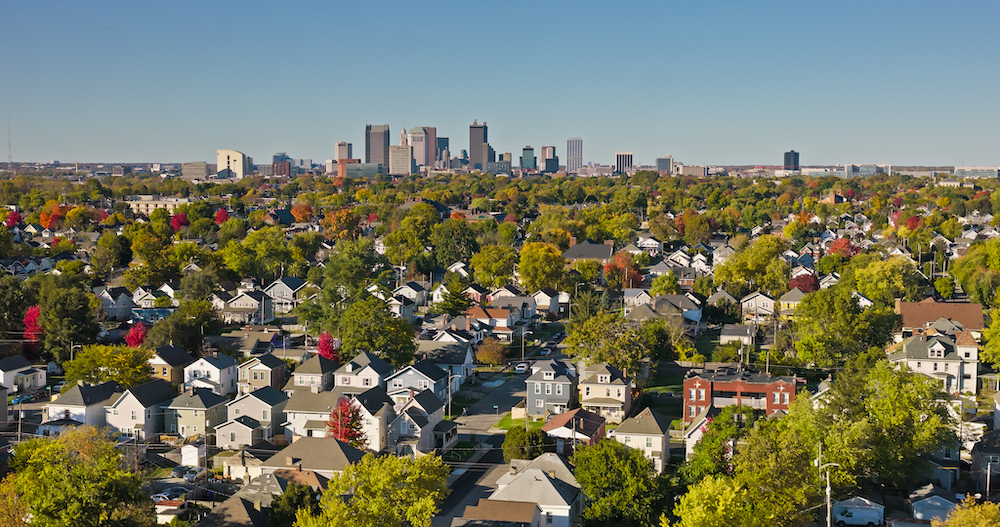
Buying a home in Columbus, Ohio means comparing established neighborhoods with access to the city’s main employment and cultural districts.
As one of the fastest-growing cities in the Midwest, Columbus is expanding rapidly, bringing a fresh mix of established residential communities and brand-new construction across the region. With so many options hitting the market − from classic historic streets to modern suburban developments − finding the right home here naturally comes down to having a clear strategy.
If you’re thinking about buying a home in Columbus, Ohio, here’s everything you need to know − from local price points and inventory shifts to long-term ownership costs.
Table of Contents:
UNDERSTANDING THE COLUMBUS HOUSING MARKET
Real estate in Columbus, Ohio gives buyers plenty of options, but what your money unlocks changes quickly depending on which tier of the market you want to explore:
| MARKET TIER | WHAT TO EXPECT |
|---|---|
| Starter (Up to $300k) |
Low-maintenance condos, townhomes, or smaller established starter homes with functional floor plans |
| Mid-range (~$300k – $500k) |
Classic single-family suburban layouts featuring updated major systems, multi-car garages, and spacious yards |
| Upper & luxury ($500k+) |
High-end historic row houses, extensive custom renovations, or newer executive builds with premium finishes |
While these tiers lay out the current entry costs, real-world pricing for any given home varies with seasonal supply and local job growth.
In the short term, the timing of your search directly impacts available inventory, competition, and room for negotiation. Late spring and summer bring a surge of new listings across all price tiers, but that extra selection comes with more competition as buyers rush to move before fall. Winter flips that dynamic: while overall inventory shrinks, the sellers who list during the colder months are typically more motivated, creating valuable opportunities to negotiate on price and terms.
Underneath those seasonal shifts sits a stable economic baseline that protects long-term home values. Central Ohio relies on steady institutional anchors such as The Ohio State University (OSU), state government offices, and major healthcare networks to provide a reliable floor for local housing demand. Pushing that baseline higher are major tech expansions − most notably, Intel’s Silicon Heartland campus and expanding data centers − which continue to bring high-paying jobs and long-term growth to the region.
Choosing your property type and style

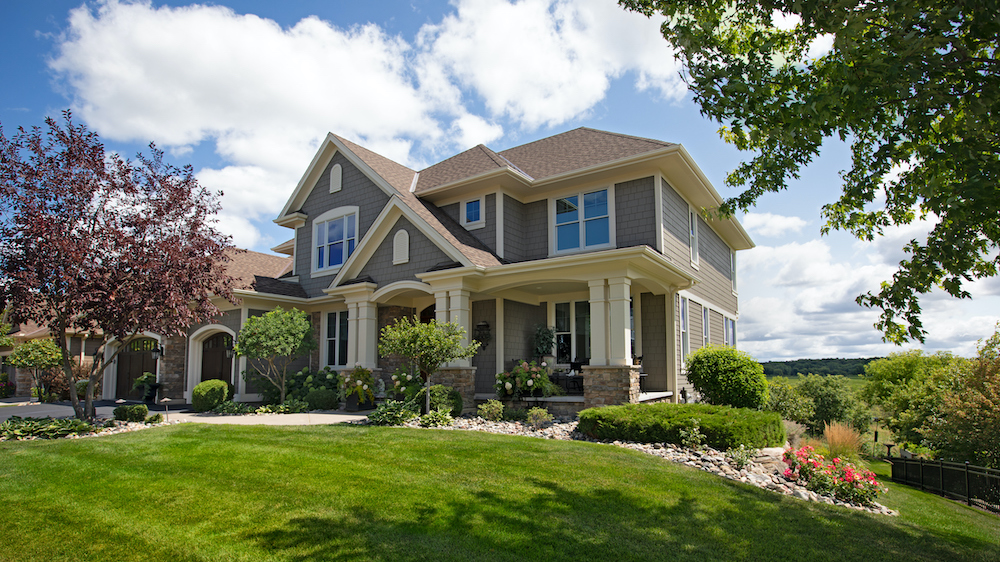
Buyers looking at homes for sale in Columbus may choose from established properties with larger lots, mature landscaping, and more room indoors and out.
As you explore the market, you’ll find four main types of homes for sale across Columbus and its surrounding communities:
- Detached single-family homes form the foundation of most established suburban streets, offering privacy and big lawns in exchange for taking on all the maintenance yourself.
- Condos and townhomes in urban pockets and suburban town centers trade yard work for a simpler lifestyle close to local dining and transit, in exchange for a monthly association fee.
- Historic homes in central neighborhoods offer unique architectural charm, like 19th-century brick cottages and Craftsman bungalows, but they usually require more ongoing maintenance.
- New construction in expanding suburban developments offers modern open layouts and energy-efficient systems, though you usually pay a higher price per square foot to move into a move-in ready home.
Comparing the top Columbus neighborhoods
While Columbus has dozens of communities, a few neighborhoods consistently top buyer wish lists. These areas stand out because they offer the key drivers of long-term home values: solid resale history, great school districts, walkable streets, and easy commutes.
| NEIGHBORHOOD | HOUSING TYPES | KEY HIGHLIGHTS |
|---|---|---|
| German Village | Restored 19th-century brick cottages, row houses | Direct Downtown access, brick streets, Schiller Park, walkable dining along Third Street |
| Victorian Village | Historic Victorian and Italianate homes, townhomes | Immediate access to Goodale Park, quiet tree-lined streets, walkable to High Street |
| Short North | Urban condos, loft conversions, historic walk-ups | High Street art galleries, North Market access, local dining and retail, high walkability |
| Clintonville | 1920s Craftsman bungalows, mid-century ranches | Whetstone Park of Roses, Olentangy Trail bike access, local High Street shops |
| Bexley | Stately colonials, mid-century single-family homes | Dedicated municipal school district, Main Street commercial strip, quick commute Downtown |
| Upper Arlington | Mid-century ranches, stone colonials, larger lots | Top-rated public schools, extensive park land, close to the OSU campus and healthcare hubs |
| Worthington | Historic front-porch homes, classic ranches | Central town green, weekly farmers market, established school district, easy highway access |
| Dublin | Modern new builds, golf communities, riverfront condos | Bridge Park district, Scioto River access, top-rated schools, major corporate employers |
Explore All Columbus, Ohio, Communities with Conley & Partners
HOW TO CHOOSE A HOME THAT FITS YOUR LIFE
Buying a home in Columbus, Ohio typically comes down to looking past fresh paint and staged decor to evaluate how a home will actually function for you in the long run. Whether you are weighing a historic home in German Village or a mid-century layout in Upper Arlington, every smart purchase rests on three practical pillars: financial comfort, daily usability, and long-term value.
Using these three priorities as a checklist during every home tour should make it easier to compare properties and stay focused on what matters most.
1. Set a comfortable budget.
Before starting your search, determine your ideal monthly target using your actual paychecks and household bills. A practical home budget isn’t built on a bank’s maximum approval limit; it’s built around what you’re comfortable spending month after month.
To see what buying a home in Columbus, Ohio will actually cost you, it helps to break your expenses into these two categories:
UPFRONT OUT-OF-POCKET EXPENSES
This should cover
- Down payment and closing fees
- Appraisal and specialized inspections
- Moving costs and immediate updates
- Emergency reserve
To plan for it, make sure to have liquid cash ready before making offers. Apart from the closing fees, set aside $1,000–$2,000 for upfront inspections (such as radon or sewer line scoping) and keep a dedicated cash buffer for immediate post-closing repairs.
ONGOING MONTHLY COSTS
These may include
- Mortgage principal and interest
- Property taxes and insurance
- Utilities and HOA dues
- Monthly maintenance allowance
For the best estimates, base your target on property-specific math. For example, property tax rates vary significantly across Central Ohio school districts, so two homes with the same list price may have very different monthly payments.
If you’re looking to lower your upfront and monthly costs, Central Ohio offers several state and local assistance options:
- Ohio Housing Finance Agency (OHFA) Assistance: Covers 2.5% to 5% of your purchase price to help with your down payment and closing costs. Stay in the home for seven years, and you won’t have to pay a cent of it back.
- American Dream Downpayment Initiative (ADDI): Offers up to 6% of the purchase price (capped at $14,999) toward your down payment inside Columbus city limits. The entire balance is forgiven once you live in the home for five years.
- OHFA Grants for Grads: Gives recent college grads a break on mortgage interest rates alongside down payment help. As long as you live in Ohio for five years, the assistance is fully forgiven.
- OHFA Ohio Heroes: Rewards teachers, healthcare workers, first responders, and military personnel with discounted interest rates and down payment support.
- Community Reinvestment Area (CRA) Tax Abatements: Waives property taxes on new builds or major renovations for up to 15 years in specific Columbus neighborhoods. Because you’re only paying taxes on the land itself, you can knock hundreds off your monthly mortgage bill.
2. Evaluate your daily routine.


Real estate in Columbus, Ohio places buyers close to diverse neighborhoods, major employment centers, and the amenities that shape everyday life.
A home may look incredible on paper, but if the daily commute exhausts you or weekend upkeep consumes all your free time, that excitement will fade fast. Before making an offer, test how your routine will feel on a normal weekday and throughout the year.
- Test your commute during peak hours: Columbus traffic bottlenecks quickly along major arteries like I-270, Route 315, and I-71 during morning and evening rush hours. Drive your route on a weekday morning and afternoon to see what travel times look like when everyone’s on the road, rather than relying on midday estimates.
- Map your daily errand routes: Think about where you spend time outside of work. Check how close the property is to your preferred grocery store, gym, public parks, and central neighborhood spots. Having these daily stops within a short drive keeps your weekdays running smoothly and efficiently.
- Inspect real-world storage for every season: Look past polished staging to measure closets, check pantry depth, and look at the garage. In older Columbus homes, compact closets and shallow garages make full basements or utility rooms essential for storing winter coats, lawn gear, and seasonal items.
- Match indoor flow and yard upkeep to your routine: Open floor plans work well for shared daily life, while enclosed rooms give you quiet space for remote work. Outside, Central Ohio’s distinct weather shifts mean outdoor care changes throughout the year − from spring yard prep to heavy autumn leaf cleanup under mature trees. Be honest about how much free time you realistically want to spend on home maintenance.
3. Protect your long-term value
Buying a home is both a personal choice and a major financial investment. While you enjoy the space today, its future value depends on permanent features that keep buyer demand high and ownership costs predictable over time.
To make sure your investment builds equity and stays easy to sell down the road, focus on three main value protectors:
- Location perks that can’t be built from scratch: Neighborhood details like strong school boundaries, easy highway access, and permanent perks − like mature tree lines, park views, or walk-to-town convenience − naturally protect a home’s value. These features create steady buyer demand no matter what the broader market is doing.
- Solid structural and mechanical health: Fresh paint and updated light fixtures are simple to change, but major physical systems safeguard your money. A healthy roof, a modern electrical panel, and an HVAC system built for humid summers and freezing winters keep ownership costs low and give future buyers confidence.
- Proactive site and air safety: In Columbus, lot conditions directly affect resale negotiations. Proper ground sloping away from the foundation prevents basement moisture during heavy spring rains, while standard radon mitigation keeps home inspections smooth when it’s time to sell.
YOUR STEP-BY-STEP GUIDE TO BUYING A HOME IN COLUMBUS, OHIO


The right Columbus home should support your budget, daily routine, and plans for the years ahead.
Buying a home gets a lot easier when you know what step comes next. The whole process moves through four simple stages, from getting your paperwork in order to picking up your keys:
1. Financial and search preparation
Start by getting preapproved for a mortgage, which sets your true budget before you even set foot inside a house. At the same time, gathering your financial paperwork early means you won’t be scrambling when it’s time to make an offer. Taking on the services of a local real estate agent completes your setup, giving you a pro to navigate showings, write up offers, and keep contract timelines on track.
2. Touring and property research
With your team in place, you may start walking through properties to see how room sizes, ceiling heights, and natural light feel in real life. As you fall in love with a space, your agent digs into property taxes, HOA rules, and past permits to make sure there are no surprises later on. Visiting your favorite spot a second time − ideally at a different time of day − lets you test neighborhood traffic and noise levels before making a decision.
3. Offers and due diligence
Once you find the right home, it’s time to write a smart offer that balances your purchase price with ideal timeline and inspection terms. Having your offer accepted kicks off a protected review window to run three essential safety checks before committing your money:
- Home inspection: A licensed inspector evaluates the physical condition of the home to identify major system repairs or safety issues to address with the seller.
- Appraisal: Your lender orders an official valuation to confirm the home is worth what you agreed to pay.
- Title check: A title company reviews property records to verify clear ownership rights before a transfer.
4. Final steps and closing
After all checks come back clean, your loan goes through final approval while you lock in home insurance and set up utility transfers. A final walkthrough right before closing lets you verify that the agreed-upon repairs were completed and that the home is ready for move-in day. Once you sign the final paperwork and funds transfer, the keys are officially yours.
FAQs
What is the best time of year to buy a home for sale in Columbus?
Spring and summer offer the most homes to choose from, but you’ll face the strongest buyer competition. Late fall and winter bring fewer listings, but sellers during these quiet months are usually far more willing to negotiate on price.
What should out-of-state buyers know before moving to Columbus?
Columbus city borders, tax rates, and school districts often overlap in unexpected ways, even within the same ZIP code. Before making an offer, always double-check the property’s verified school district and true tax bill on the Franklin County Auditor’s site.
How long does the Columbus home-buying process take?
Finding the right house may take anywhere from a few weeks to several months depending on your target neighborhood. Once a seller accepts your offer, closing on a standard mortgage usually takes about 30 to 45 days.
What are the signs a Columbus neighborhood is about to change?
You can spot upcoming changes by checking the City of Columbus online development trackers and zoning maps for nearby building permits. Visiting the neighborhood at different times of day also helps you spot vacant land, active roadwork, or new commercial projects.
Why don’t a home’s mailing address and school district always match in Columbus?
A Columbus mailing address doesn’t always mean the home is within Columbus city limits or assigned to Columbus City Schools. Many properties with a Columbus ZIP code actually fall under neighboring municipalities or different school districts, such as Dublin, Worthington, or Hilliard. These boundaries may also affect property taxes and local services. Before making an offer, verify the home’s school district, tax jurisdiction, and municipality rather than relying on the mailing address alone. A local real estate agent will help you confirm these details so you know exactly what you’re buying.
NAVIGATE CENTRAL OHIO WITH LOCAL EXPERTISE
Reading the Columbus, Ohio, real estate market is one thing − turning neighborhood trends, timing, and price data into real savings takes true local knowledge.
Founded in 1985, Conley & Partners offers a long track record of helping people buy homes and relocate throughout Greater Columbus. Their team relies on decades of clear, ground-level market experience to walk you through the details, remove the guesswork, and keep your home-buying plan moving smoothly forward.
When you’re ready to begin planning a home search that fits your lifestyle, call Conley & Partners at 614.595.4344 or reach out directly through their contact page.