


Table of Contents:
Metro Columbus is made up of many distinct places to live, each shaped by its own rhythms, housing styles, and daily routines. From walkable, close-in neighborhoods to established suburbs and thoughtfully planned residential communities, the region offers a wide range of living experiences within a relatively compact metro area.
Understanding how these areas differ and how they fit different lifestyles should make the process of comparing Columbus, Ohio homes far clearer. Rather than thinking of the market as a single entity, it’s often more helpful to view Metro Columbus as a collection of choices, each offering its own balance of location, space, and long-term livability.
This guide breaks down the Metro Columbus real estate landscape by lifestyle and setting, helping buyers and those relocating to the area better understand how suburban, urban, and high-end residential options compare across the region.
METRO COLUMBUS AT A GLANCE
|
UNDERSTANDING THE METRO COLUMBUS REAL ESTATE LANDSCAPE
The Metro Columbus area is made up of a mix of neighborhoods and suburbs that differ widely in character, housing stock, and lifestyle, giving buyers a wide range of ways to live within the region. For buyers comparing Columbus, Ohio homes across different parts of the metro, understanding these distinctions early helps narrow options more efficiently.
Infrastructure and development patterns heavily influence housing options. Areas closer to Downtown or major employment hubs tend to have smaller lots, historic properties, and condos or townhomes. Suburban areas, by contrast, often feature large lots, planned streets, and new construction. Proximity to schools, parks, and retail centers also plays a meaningful role in shaping both daily routines and property values.
Looking just beyond city limits often reveals additional options. Many buyers exploring houses for sale in Columbus, Ohio find that neighborhoods relatively close to Downtown offer the space, style, and community feel they’re seeking while still keeping them connected to the metro’s core.
SUBURBAN LIVING IN METRO COLUMBUS
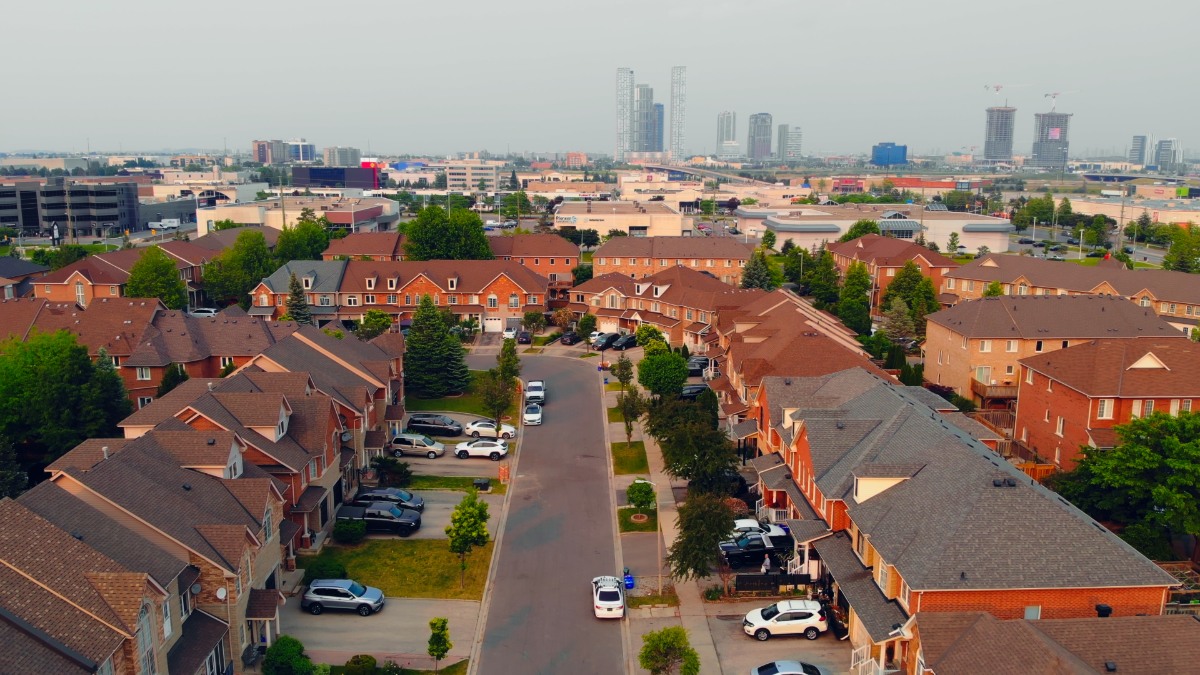
Many suburban neighborhoods in Metro Columbus are defined by planned layouts, residential streets, and proximity to everyday amenities.
Suburban life in Metro Columbus is as much about lifestyle as it is about square footage. For many buyers, the suburbs offer a balance between space, community, and everyday convenience that supports long-term livability.
Tree-lined streets, quiet cul-de-sacs, and well-planned neighborhoods provide a sense of comfort and stability, while parks, trails, and recreation centers keep the community active and social. Local shopping centers, coffee shops, and casual dining are often just a short drive away, shaping weekend routines that include farmers’ markets, youth sports, and seasonal community events.
Housing options range from cozy single-family residences to spacious estates with multiple bedrooms and open layouts. Some neighborhoods feature older, established homes with mature landscaping, while others consist of newer developments with modern finishes, energy-efficient appliances, and flexible floor plans. This variety gives buyers flexibility when evaluating Columbus, Ohio homes based on space, layout, and long-term needs.
While suburban living often provides more space and predictability, it also involves choices around commute length, lot configuration, and neighborhood layout. Some buyers prioritize newer construction and planned communities, while others prefer established neighborhoods with mature landscaping and varied home styles. Comparing these options side by side often helps clarify which suburban setting feels most comfortable in the long term.
POPULAR METRO COLUMBUS AREAS AMONG BUYERSSeveral suburban communities across Metro Columbus are frequently considered by buyers, reflecting the range of planning styles and living environments found throughout the region.
|
URBAN AND NEAR-URBAN NEIGHBORHOODS
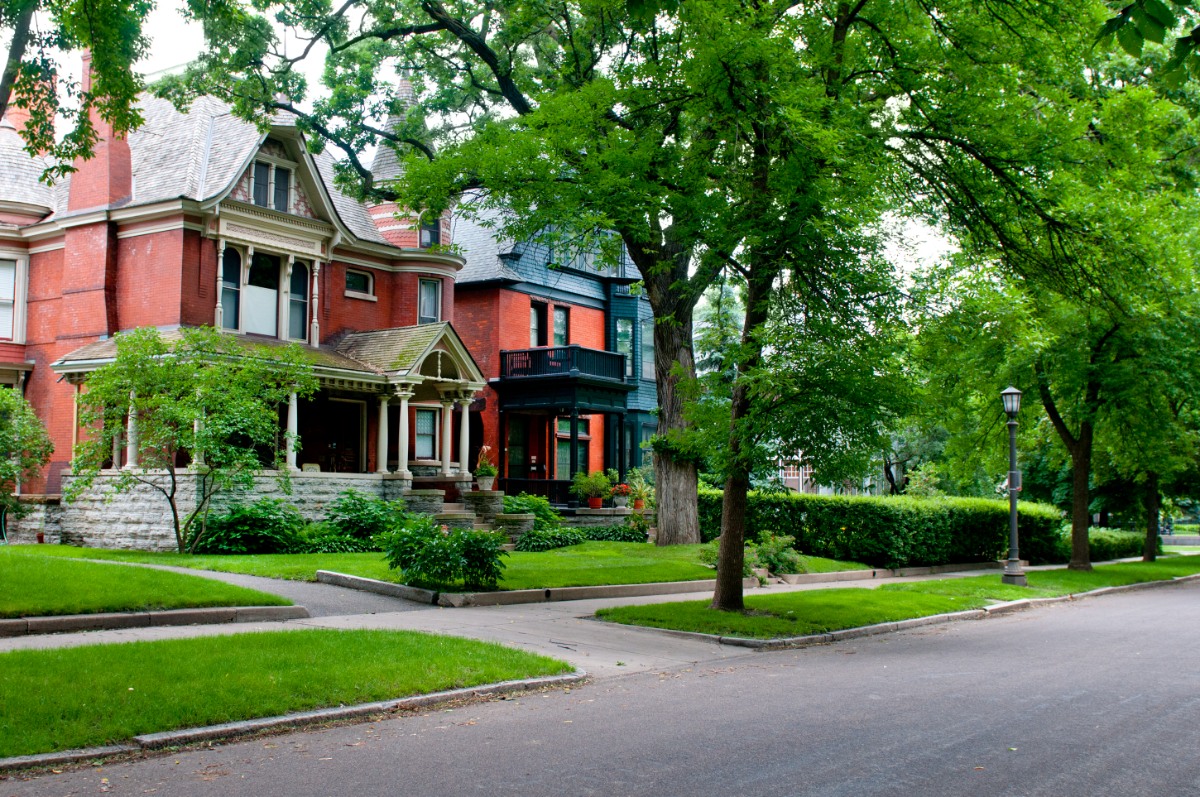
Urban and near-urban neighborhoods in Metro Columbus are often defined by walkable streets, mature trees, and distinctive architecture.
Urban living in Metro Columbus is a completely different experience from the suburbs. Decisions are largely influenced by lifestyle, where walkability, cultural amenities, nightlife, and proximity to downtown workplaces become top priorities. It also appeals to buyers who prioritize walkability, proximity, and access to cultural and everyday amenities within a more compact setting.
Housing options vary widely: you’ll find historic row houses, renovated lofts, modern condos, and townhomes tucked into vibrant streets where shops, restaurants, and offices coexist. Living near Downtown also means short morning commutes, art galleries, trendy cafes, live music, theater, and dining out on weeknights.
Many near-urban neighborhoods across Metro Columbus offer different levels of density and activity. Some streets are highly active throughout the day, while others feel quieter despite their proximity to Downtown. Understanding how traffic patterns, parking availability, and commercial activity vary from block to block often helps buyers determine whether close-in living aligns with their expectations.
Within the broader Columbus, Ohio real estate market, these close-in neighborhoods offer a distinct alternative to suburban living without leaving the metro core.
LUXURY AND HIGH-END HOUSING ACROSS THE METRO

Luxury homes in Metro Columbus often emphasize space, privacy, and long-term livability over spectacle.
Luxury in Columbus leans more toward quality, design, privacy, and lifestyle fit than pricing or a neighborhood label. High-end buyers look for thoughtful layouts, premium finishes, and spaces designed to accommodate entertaining, work-from-home setups, or family life. These homes are usually found in select suburbs and near-urban neighborhoods, often on large lots, gated streets, or in communities with extra amenities like walking trails, clubhouses, or golf courses.
Sleek, modern homes with open-plan layouts coexist alongside traditionally crafted estates with custom woodwork, stone facades, or historic charm, giving buyers a wide range of architectural styles to choose from.
Privacy is a major consideration. Some properties offer fenced yards, private drives, or strategically positioned lots. Others are part of gated communities, providing both security and exclusivity. High-end neighborhoods also emphasize long-term suitability: buyers are thinking about how the home will accommodate changing household needs over time, including changing space and accessibility requirements.
Luxury neighborhoods in the Metro include planned developments in New Albany, upscale enclaves in Upper Arlington, and select areas around Dublin or near urban hubs. The diversity of options ensures buyers can find a home that fits their personal tastes and lifestyle priorities. Those looking to move into the high end of the market will find a range of options among these Columbus, Ohio homes.
CHOOSING THE RIGHT AREA WITHIN METRO COLUMBUS

Working with local experts helps you find the right new home in Columbus, Ohio that fits your requirements, budget, and lifestyle.
Choosing the right area within Metro Columbus is less about finding the “best” neighborhood and more about understanding how different areas support daily life. When we at Conley & Partners work with buyers across the metro, the goal is usually to move past labels and focus on how a home and location will actually function day to day.
When comparing communities across the region, buyers often start by weighing a few core factors:
- Commute patterns and daily routines – how close you want to be to work, schools, or frequently visited areas.
- Housing style and lot size – from historic homes and condos to newer construction and larger residential settings.
- Access to amenities – parks, retail, dining, and everyday conveniences.
- Long-term flexibility – how well a home and neighborhood can adapt as needs change over time.
In practice, this often means touring homes in different parts of the metro before narrowing options. Seeing how areas feel during the week versus weekends, or during morning and evening hours, will reveal differences that don’t appear in listing descriptions alone.
It’s also common for priorities to evolve during the search. Many buyers explore multiple parts of the metro before narrowing their focus, especially once they begin to see how different areas feel at various times of day and week. Understanding those tradeoffs early often makes the process smoother and more confident.
Local insight plays an important role here. Details like traffic flow, neighborhood patterns, and how communities function beyond what’s visible on a map tend to influence long-term satisfaction. Evaluating areas through the lens of daily life, rather than just price or location, often leads to better decisions when searching for new homes in Columbus, Ohio.
FAQs
What areas are considered part of Metro Columbus?
Metro Columbus includes the city of Columbus, along with a network of surrounding suburbs and independent communities. These areas are connected by shared employment centers, transportation corridors, and daily commuting patterns. While each community has its own character and housing mix, they function together as a single regional housing market for most buyers.
Is suburban or urban living more popular in Columbus right now?
Interest varies depending on lifestyle priorities rather than a single dominant trend. Suburban areas continue to attract buyers looking for space, newer construction, or planned communities, while urban and near-urban neighborhoods appeal to those who value walkability and proximity to Downtown amenities. Many buyers explore both before narrowing their focus.
How different are home prices across Metro Columbus?
Home prices vary widely across the metro based on location, housing type, lot size, and proximity to employment and amenities. Urban cores, established suburbs, and high-end residential enclaves each represent different pricing tiers. Looking across the broader metro often helps buyers understand where their budget aligns with space, setting, and long-term goals.
What types of buyers are relocating to the Columbus area?
Relocation activity in Metro Columbus is driven by a mix of employment opportunities, institutional anchors, and regional growth. Buyers often arrive with different priorities depending on work location, lifestyle preferences, and housing needs. Exploring multiple areas across the metro helps relocating households identify settings that fit both short- and long-term plans.
How do buyers typically narrow down the right neighborhood?
Most buyers start by touring homes in several parts of the metro before refining their search. Over time, factors like commute patterns, neighborhood layout, and access to everyday amenities become clearer. Seeing how different areas function at various times of day often plays a key role in determining the best overall fit.
MAKE YOUR MOVE TO METRO COLUMBUS TODAY
Metro Columbus real estate can seem overwhelming, but local experts can help you navigate the process. Reach out to Conley & Partners to discuss your goals and explore which neighborhoods align best with your lifestyle, priorities, and long-term plans. I, Amy Conley, and my team bring 27 years of experience, providing reliable, highly personalized service.
Whether you’re relocating, upgrading, or exploring options, our team will help you navigate Columbus, Ohio real estate confidently and find a property that fits your requirements, lifestyle, and budget.
Call at 614.595.4344 or send us a message for a free consultation. You can also browse our properties here.